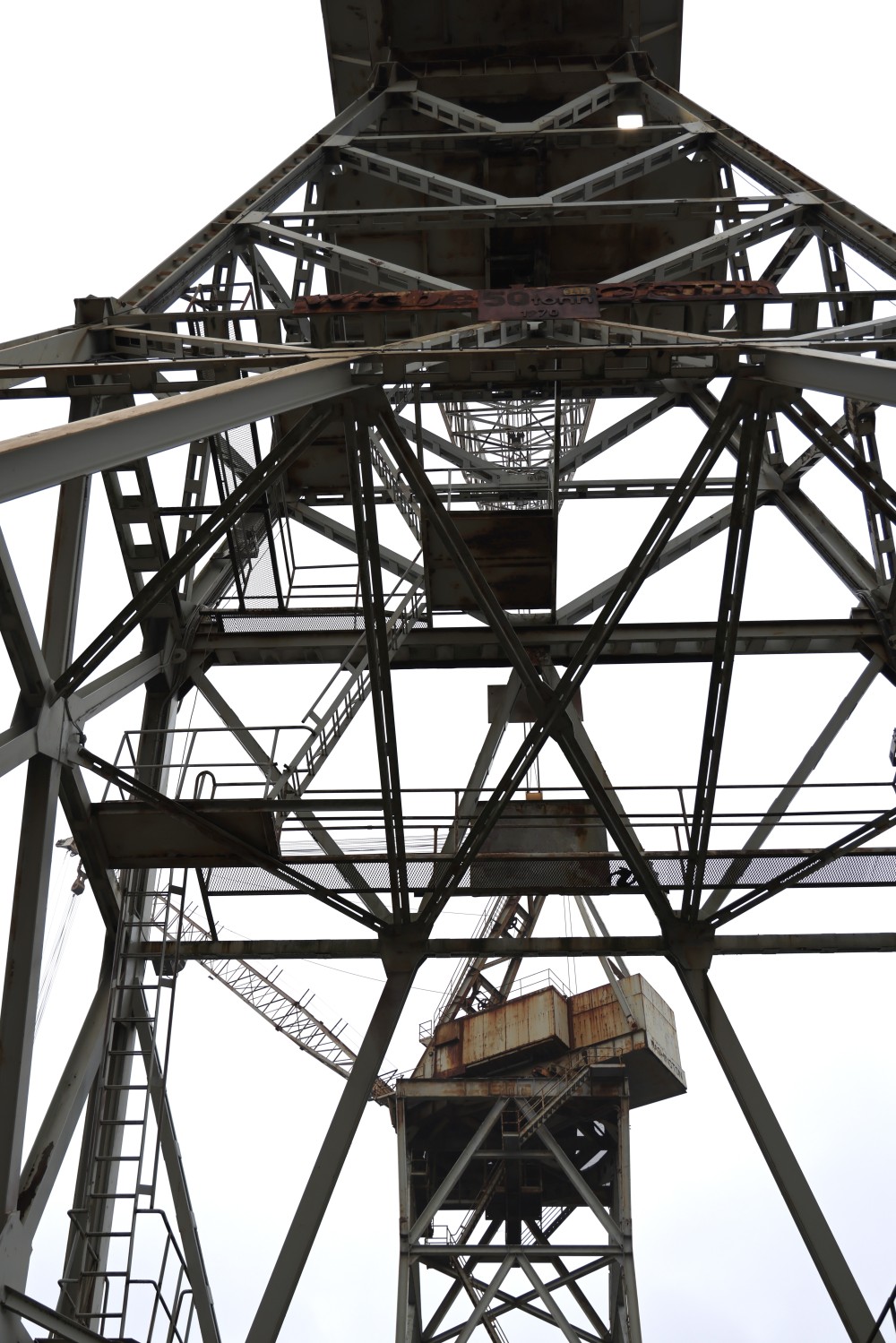
Studio-est / Erik Stenbeck
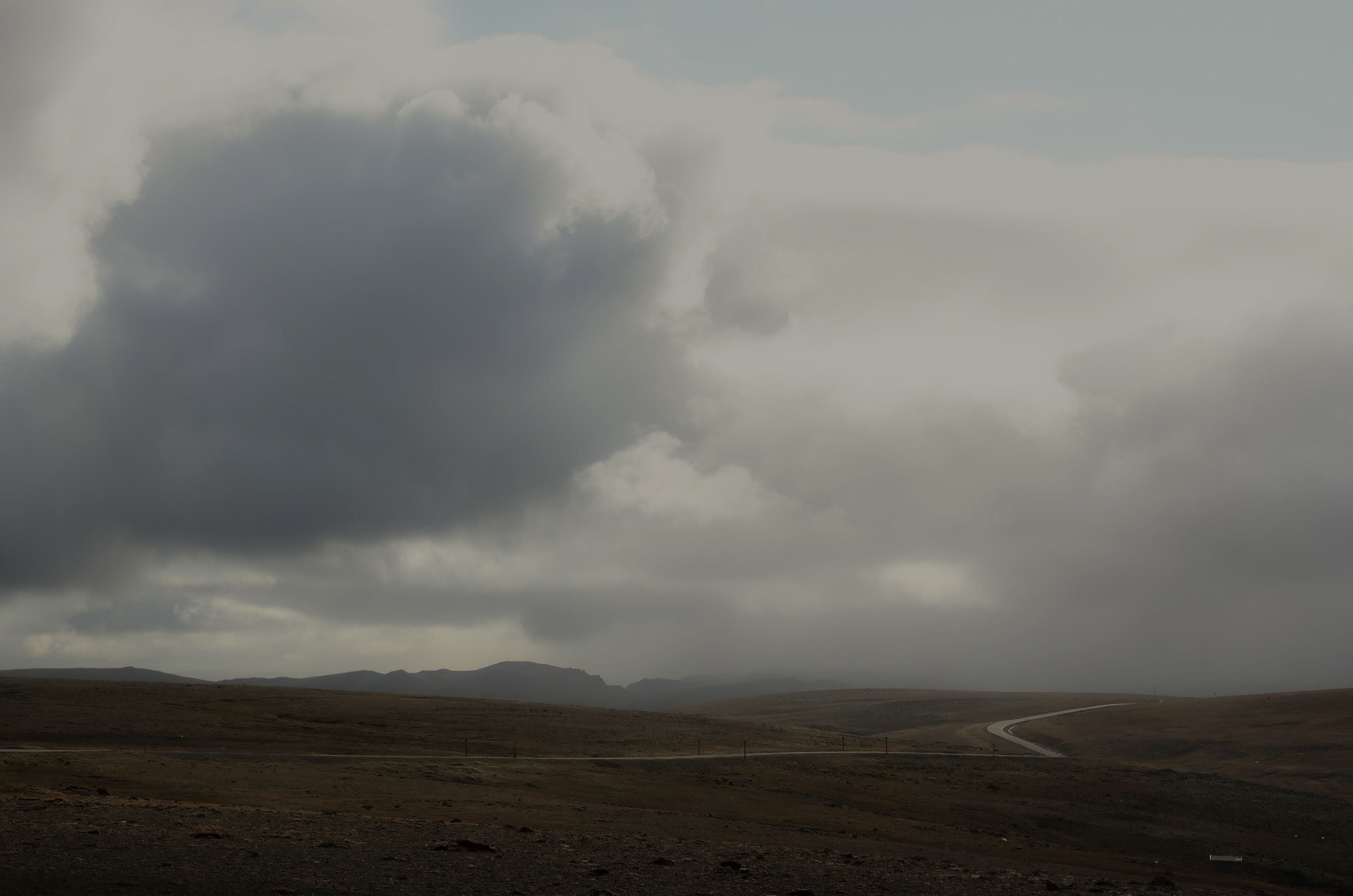
Erik Stenbeck’s photography is a personal exploration of the subtle and enduring connection between the human mind and the world it inhabits. Born in Norway in 1951, his academic background at the University of Oslo and Østfold College, along with early research on Edvard Munch, helped shape an artistic vision grounded in both reflection and observation.
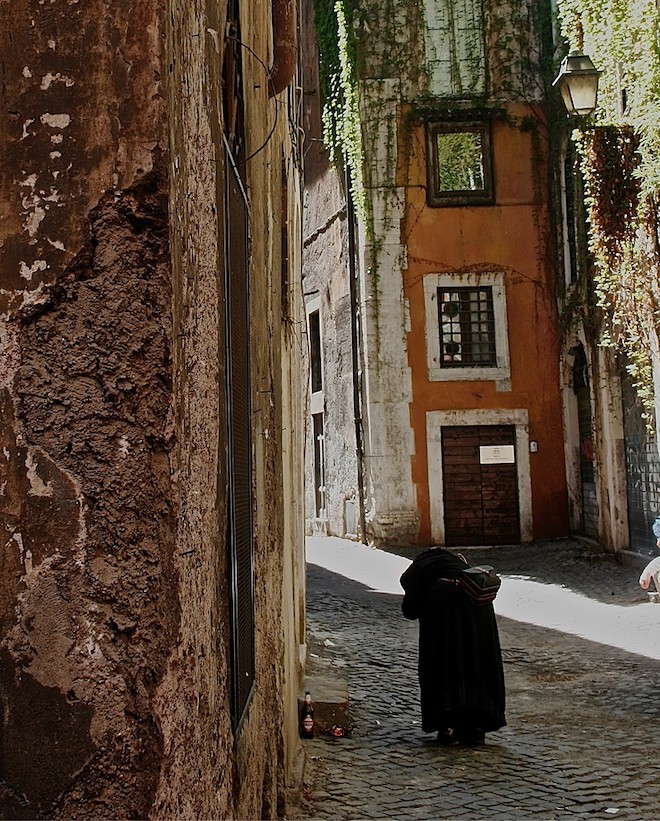
For Stenbeck, photography is not merely a visual practice, but a way of engaging with existence as it reveals itself in fragments—through moments, places, and encounters. His images emerge from attentiveness rather than construction; they are found rather than staged. Whether working in black-and-white or color, he approaches each scene as an unfolding presence, where light, atmosphere, and form carry equal weight in shaping meaning.
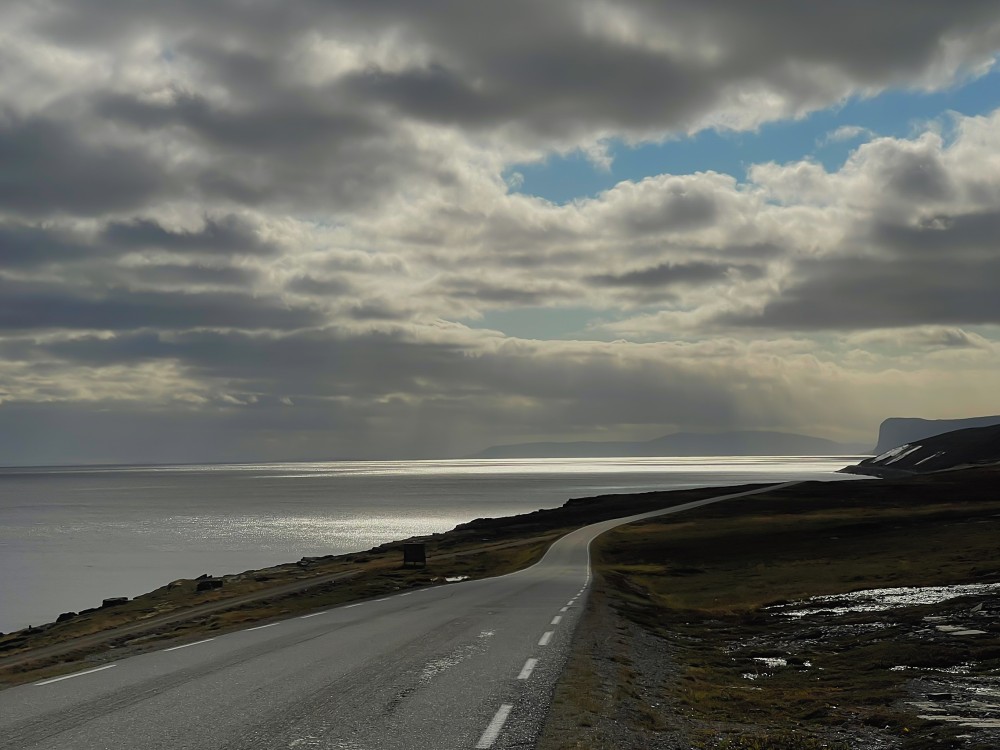
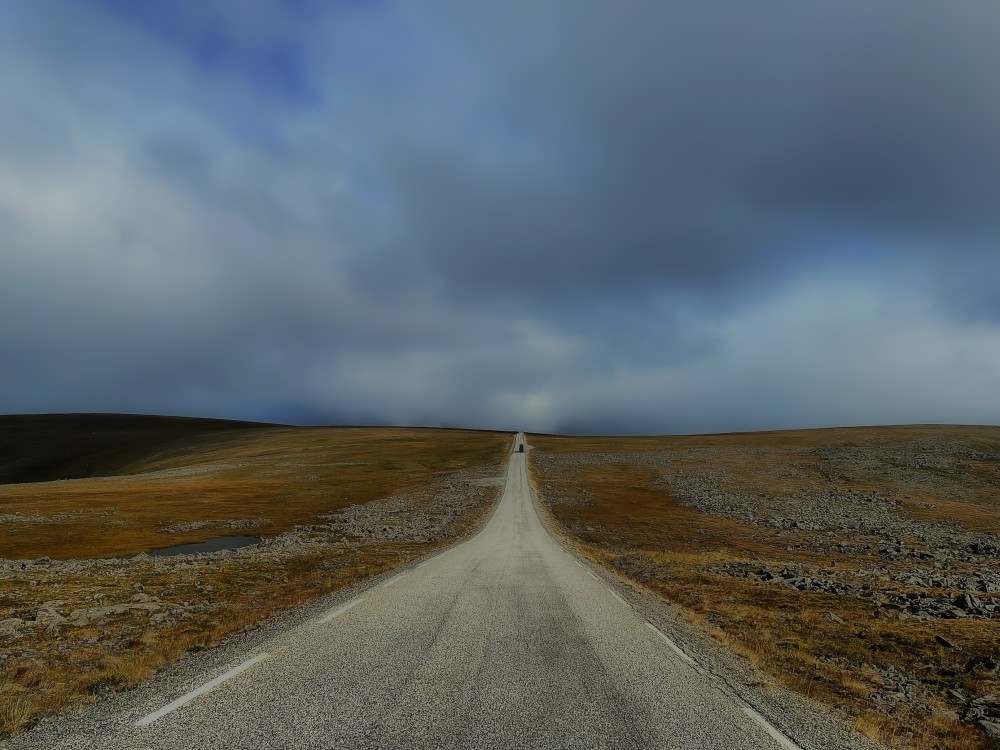
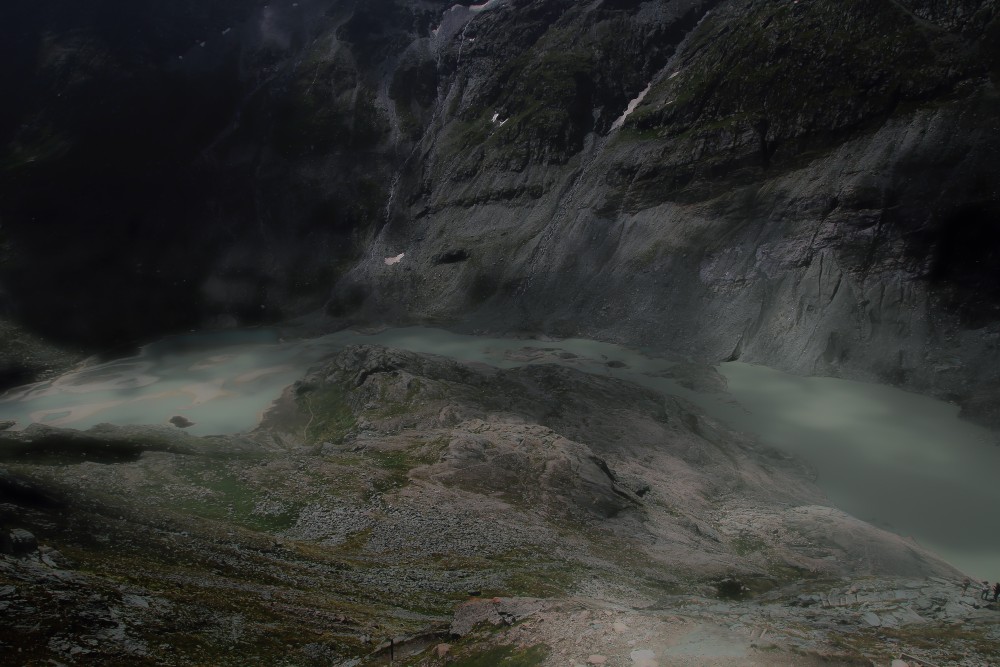
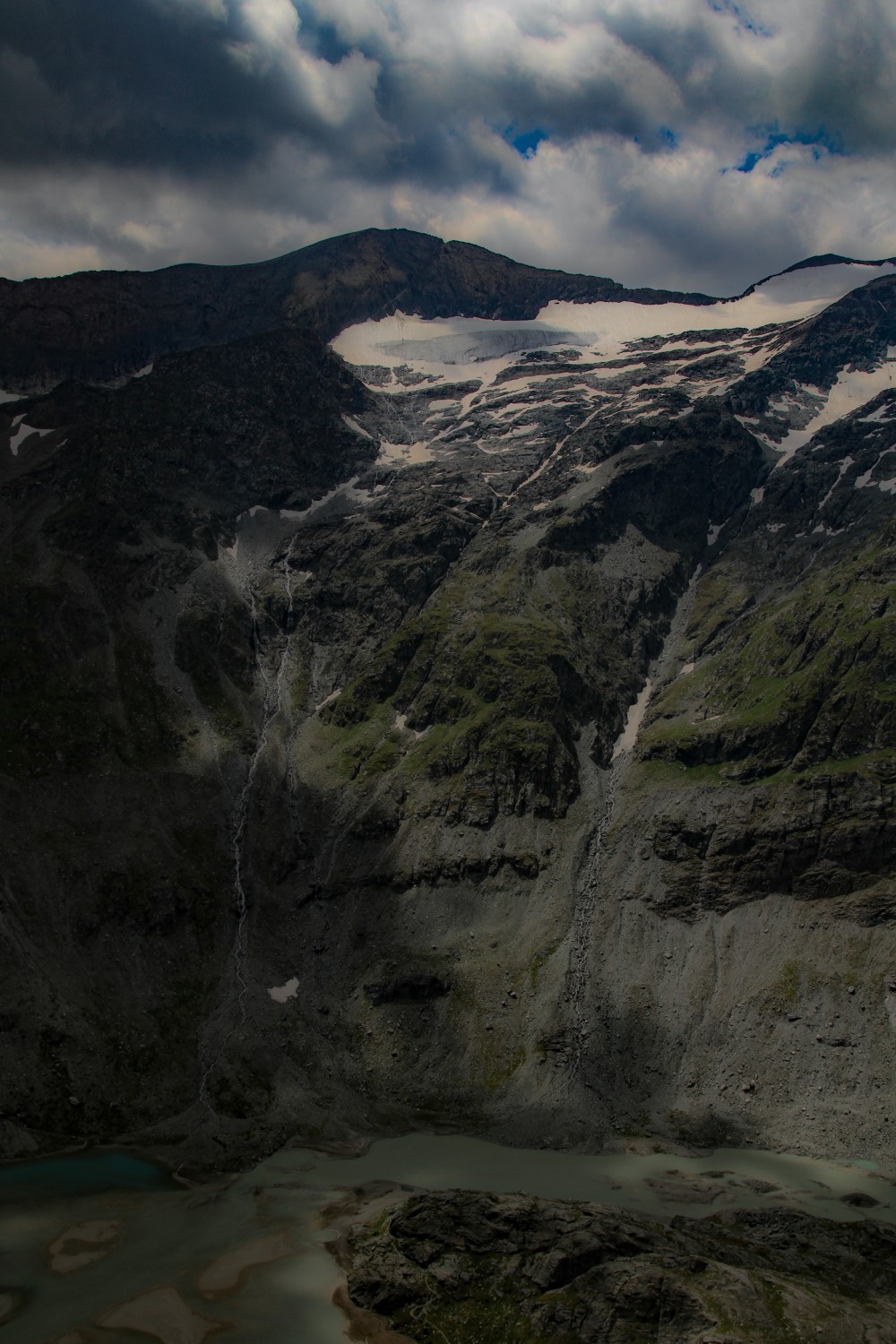
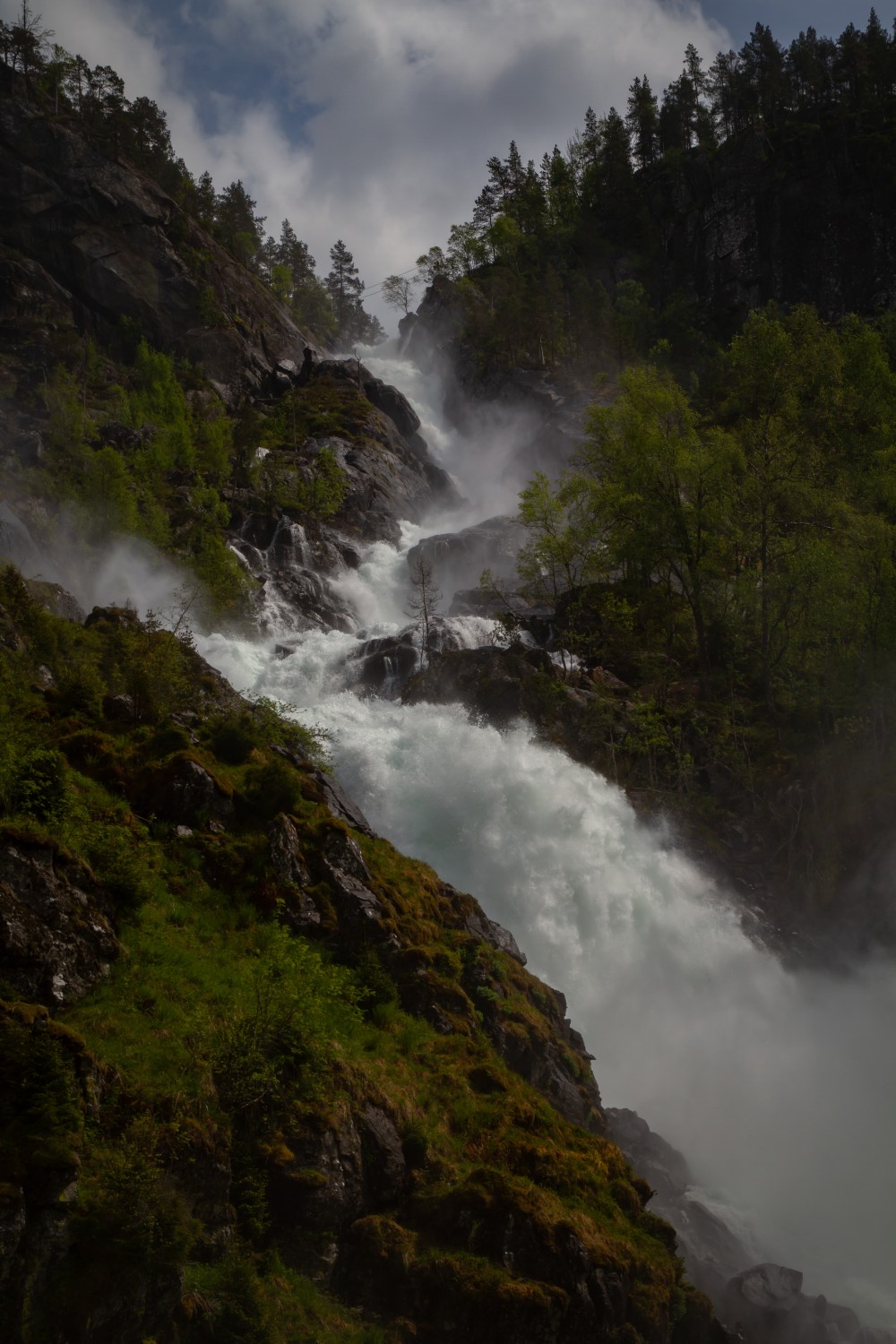
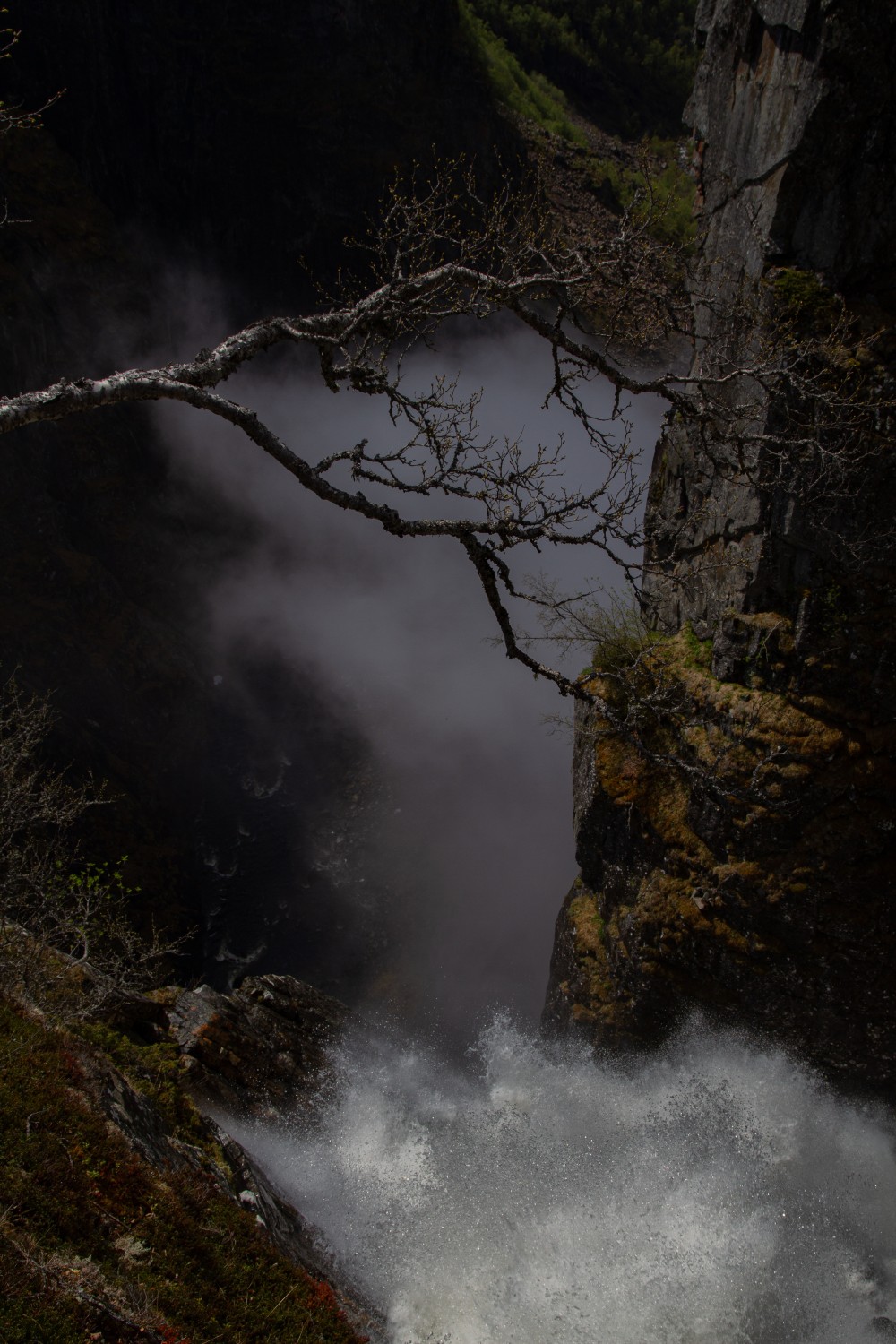
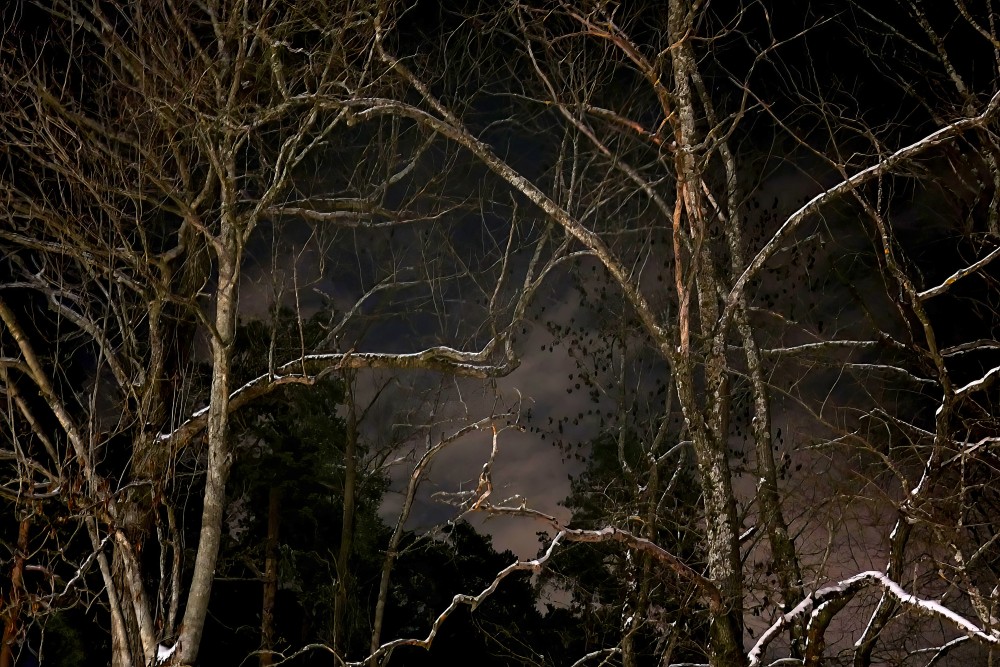
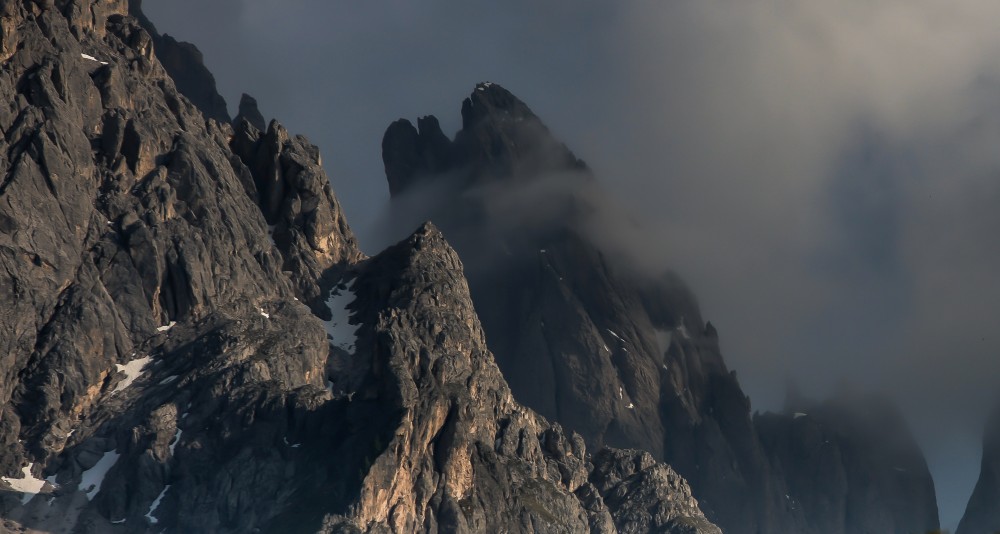
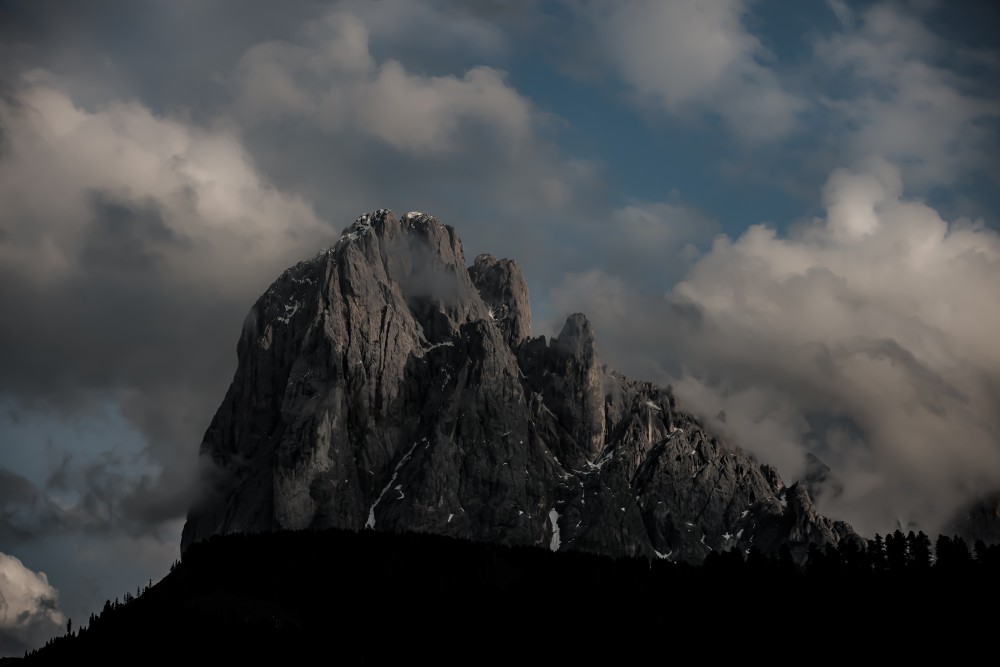
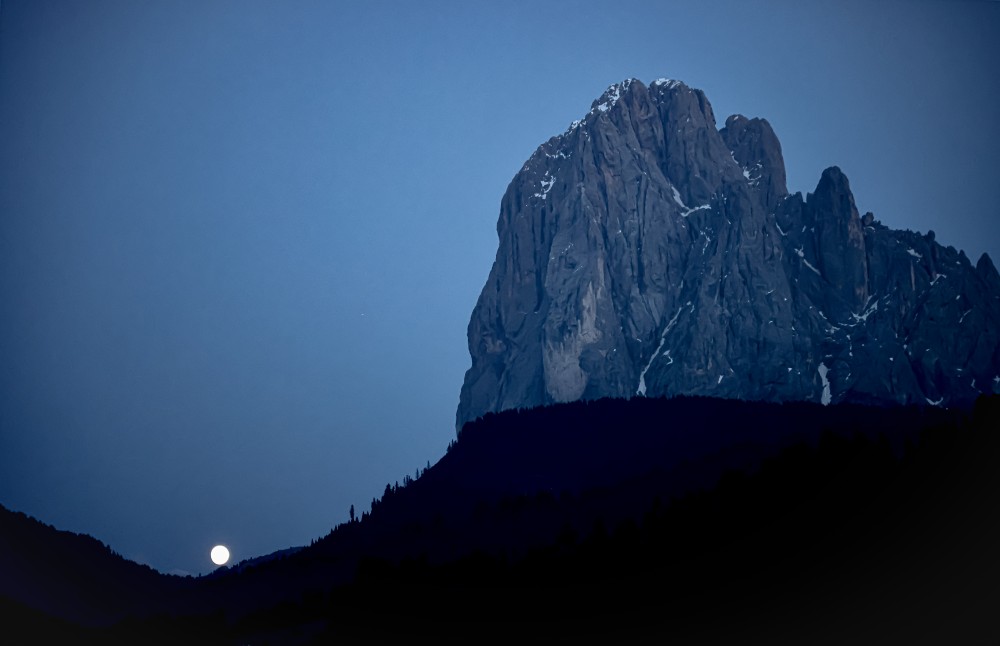
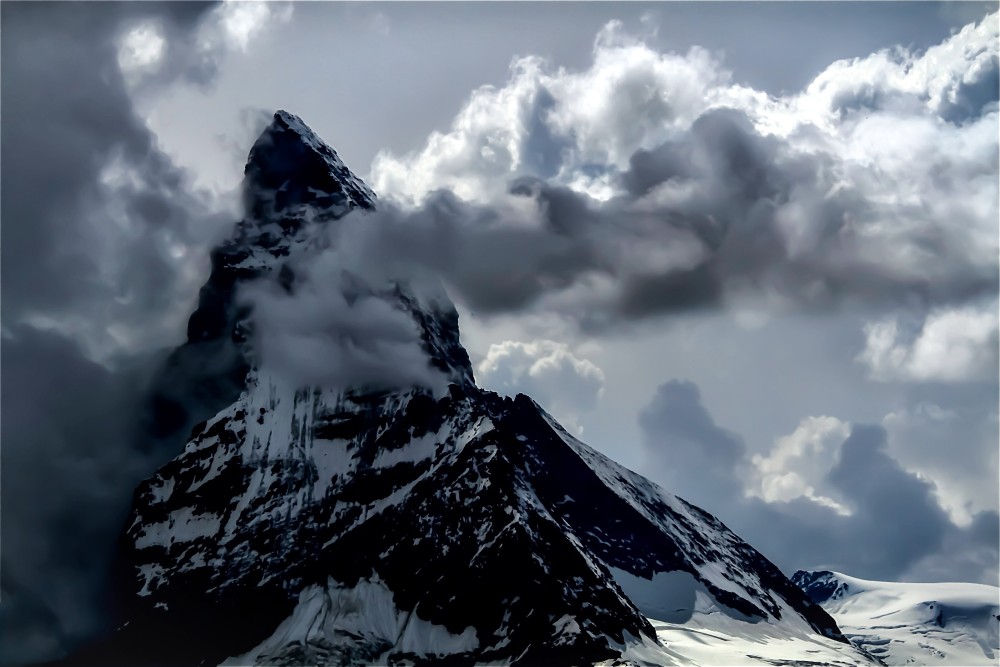
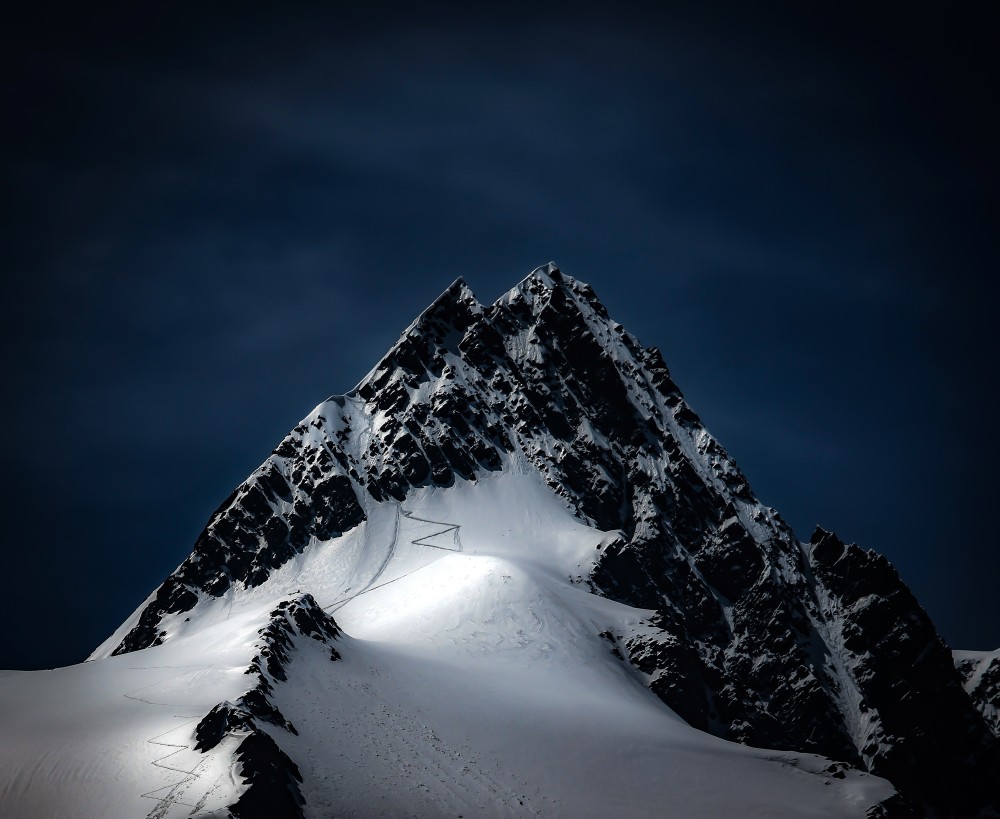
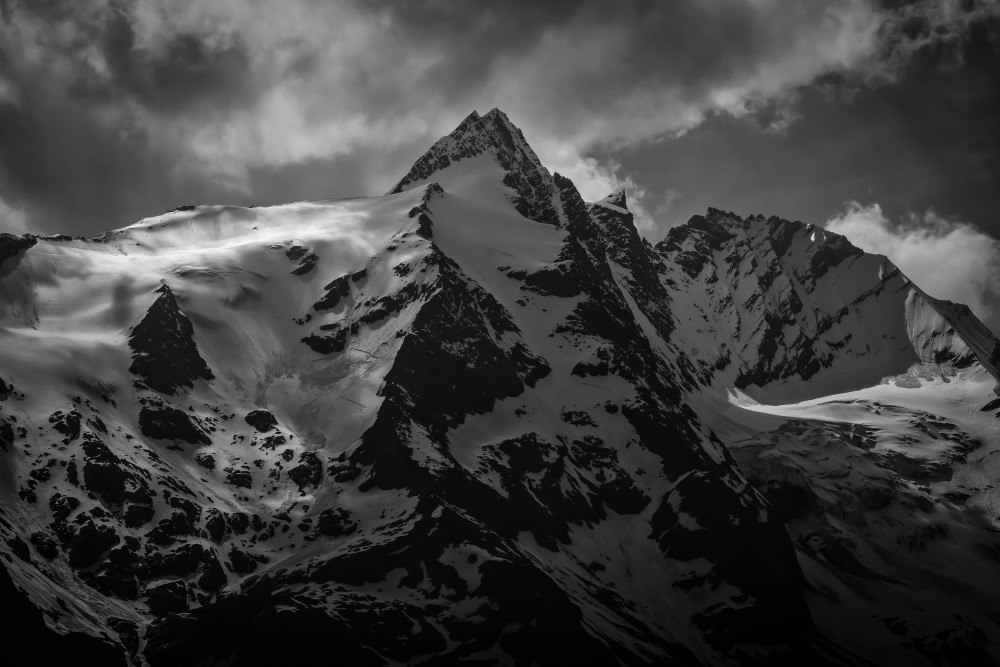
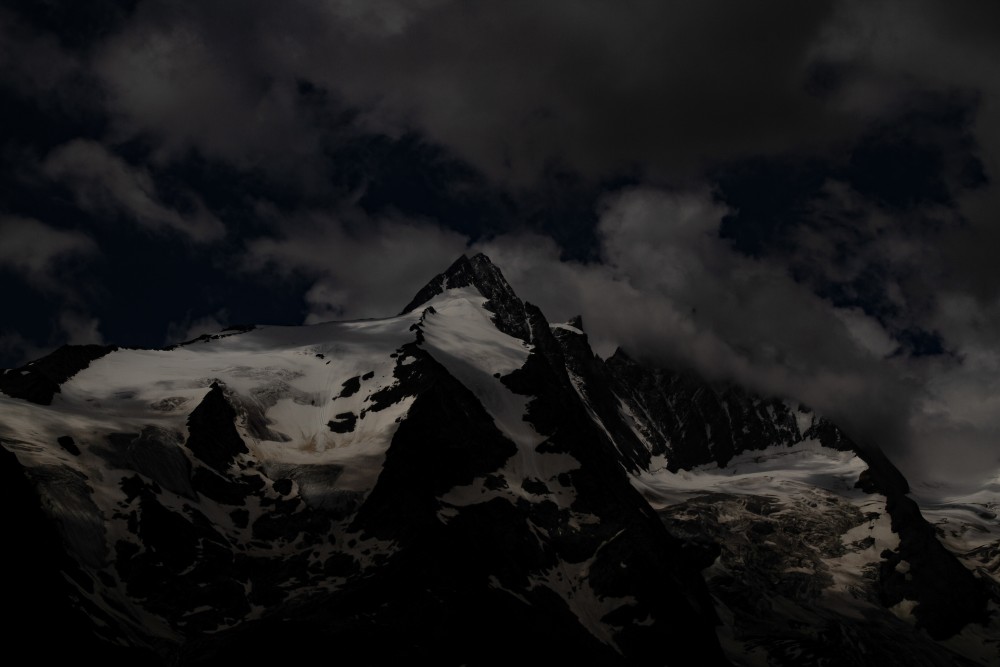
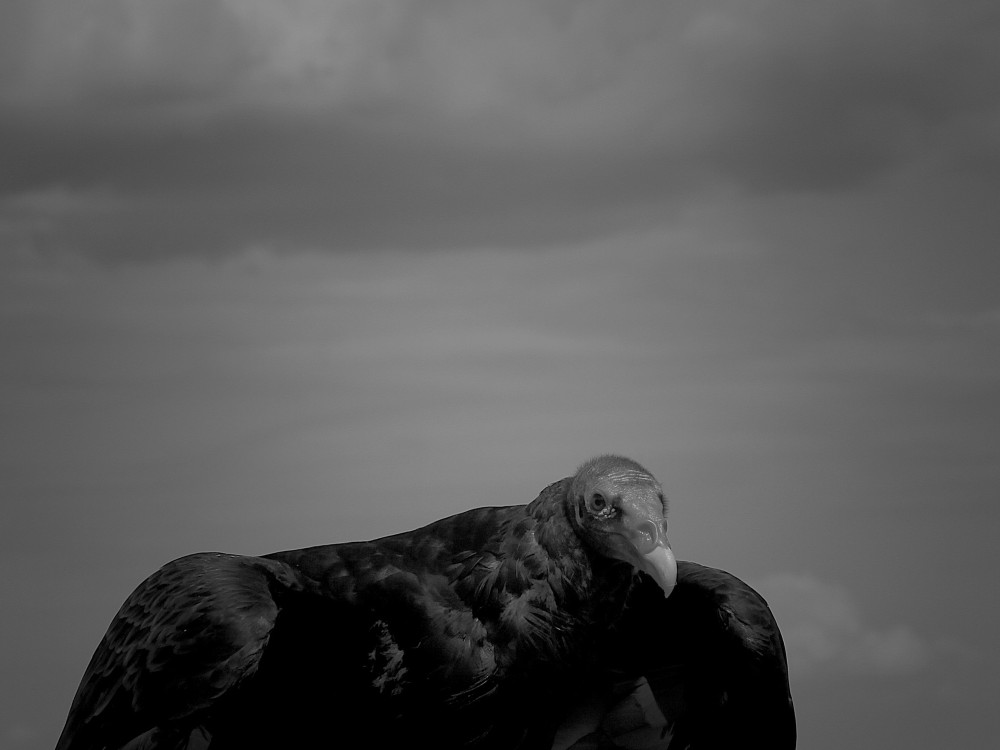
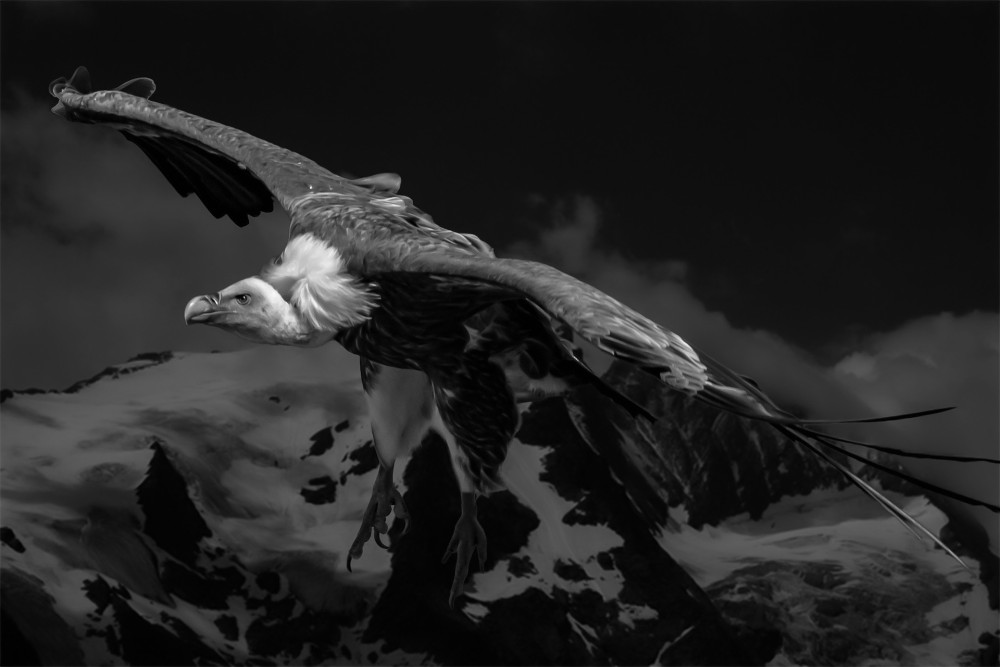
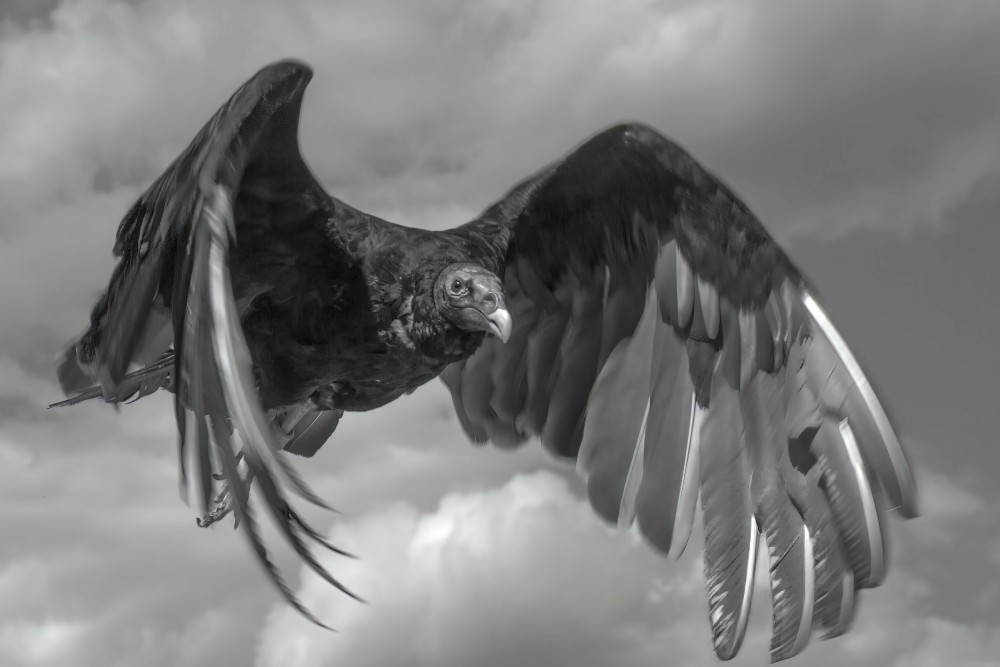
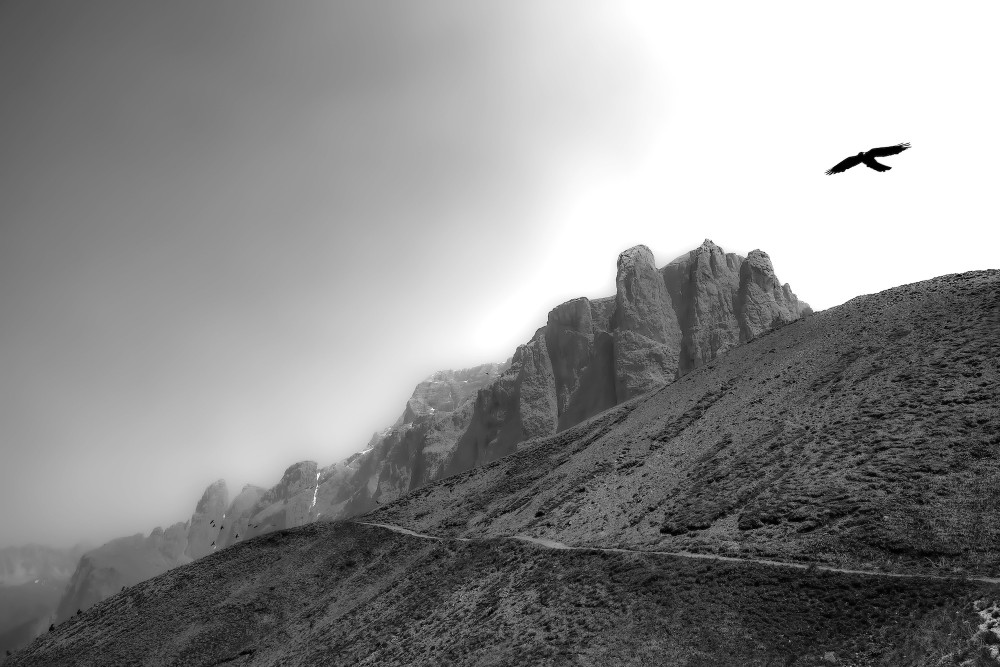
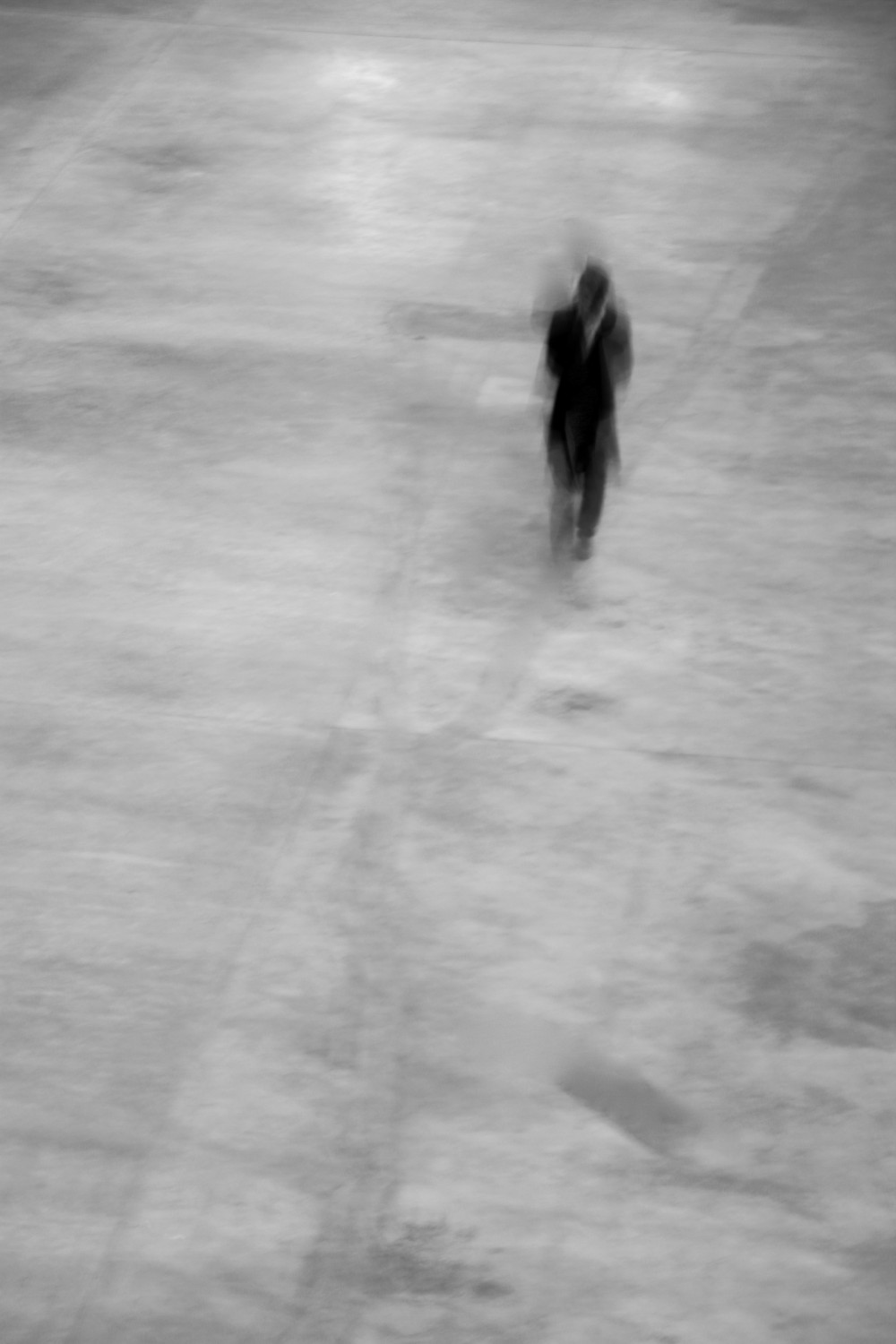
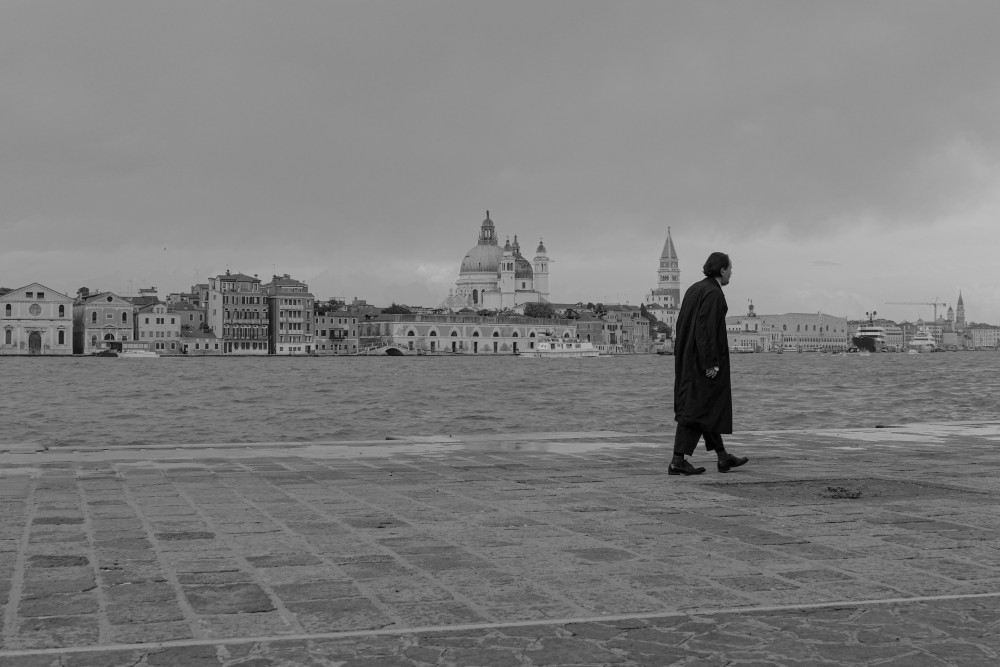
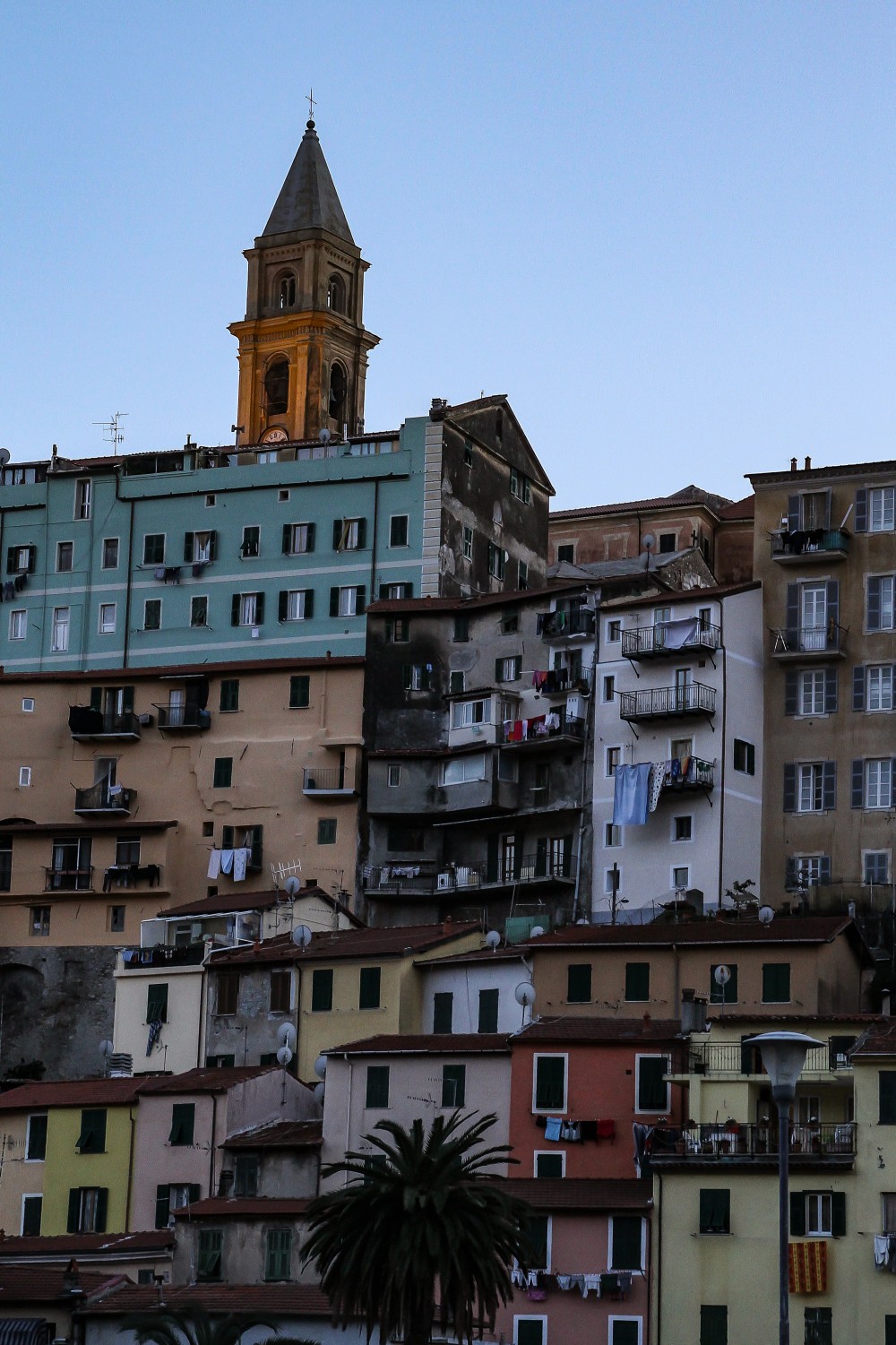
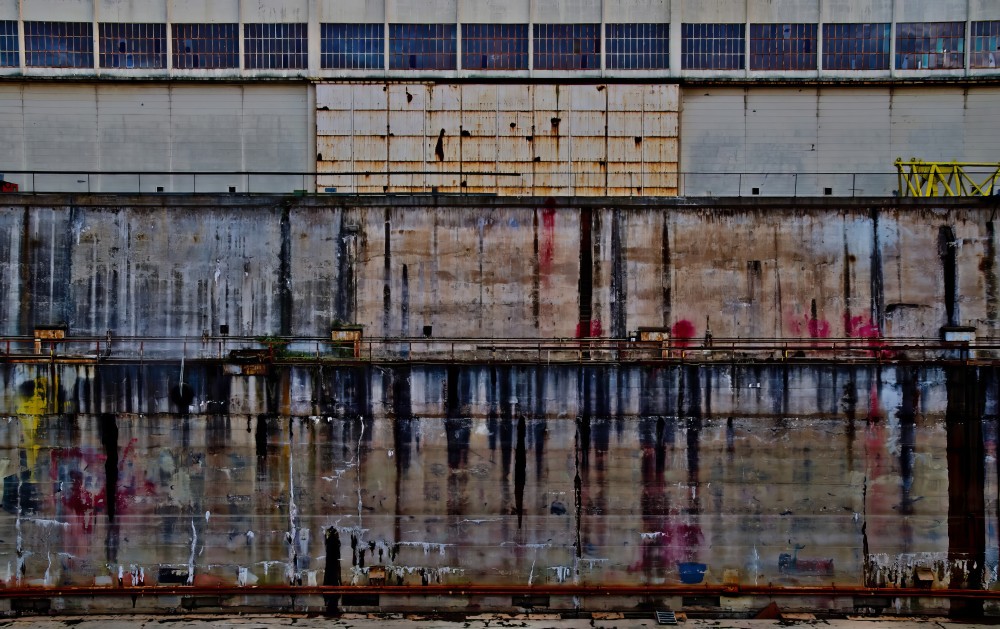
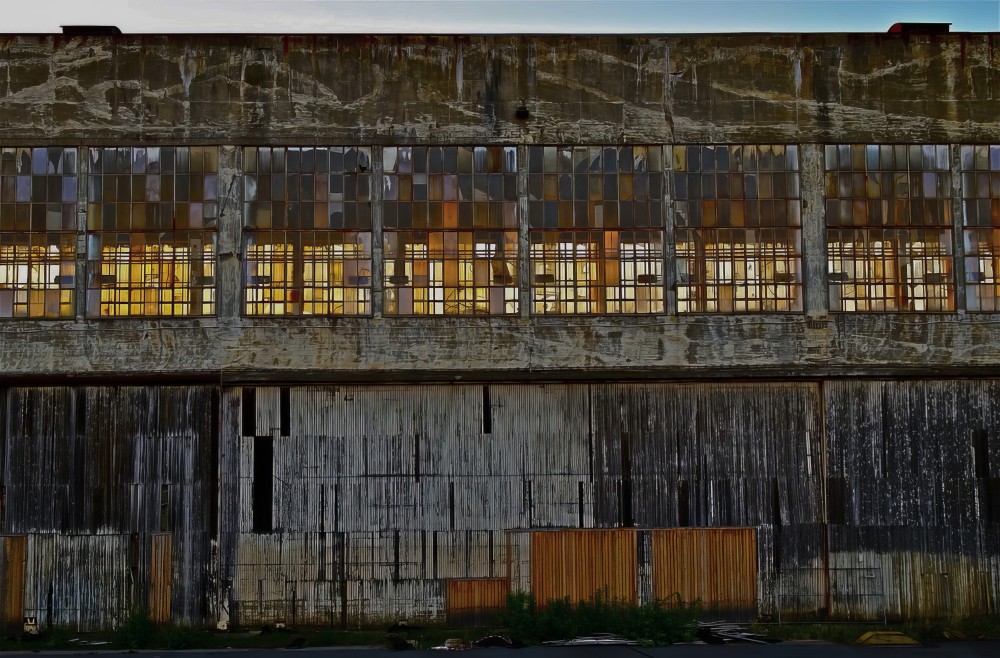
His subjects range across landscapes, architecture, human figures, roads, forests, water, mountains—and the recurring presence of birds. These are not simply elements within a composition, but carriers of tension and meaning. A road becomes a line of thought, a building a trace of human intention, a figure a point of passage within a larger, indifferent whole. The birds, however, introduce another dimension: they appear as figures of power, distance, and awareness—at times external, at times internal, as if mirroring states of mind. They watch, hover, or withdraw, suggesting both control and vulnerability, instinct and reflection.
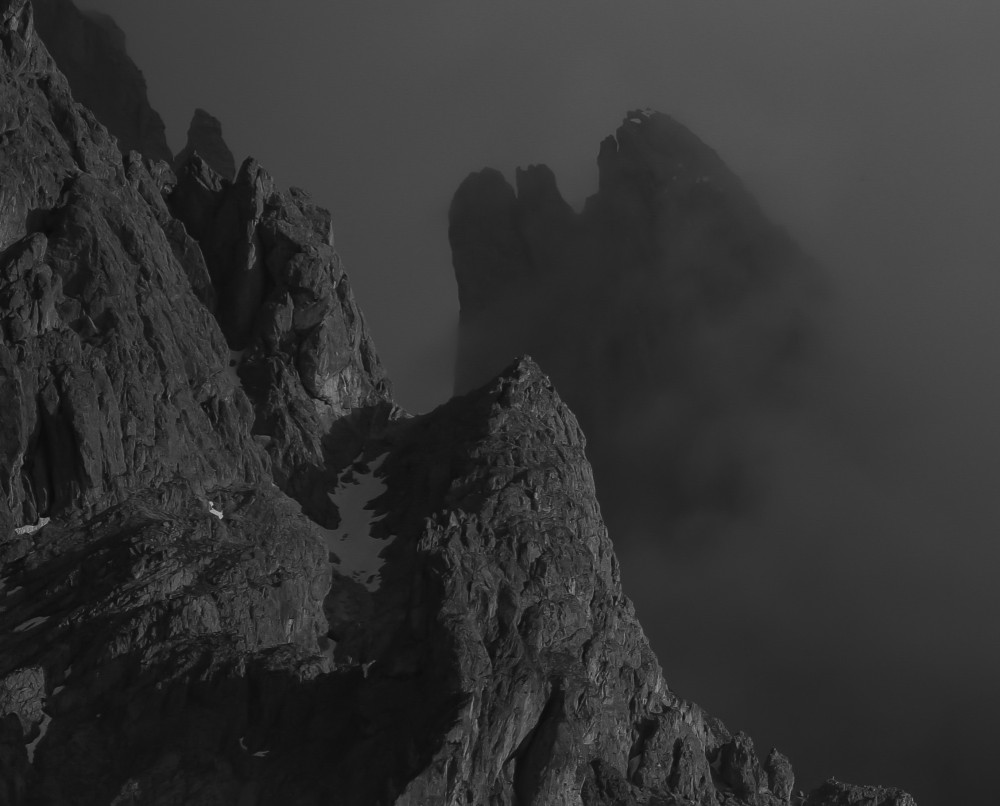
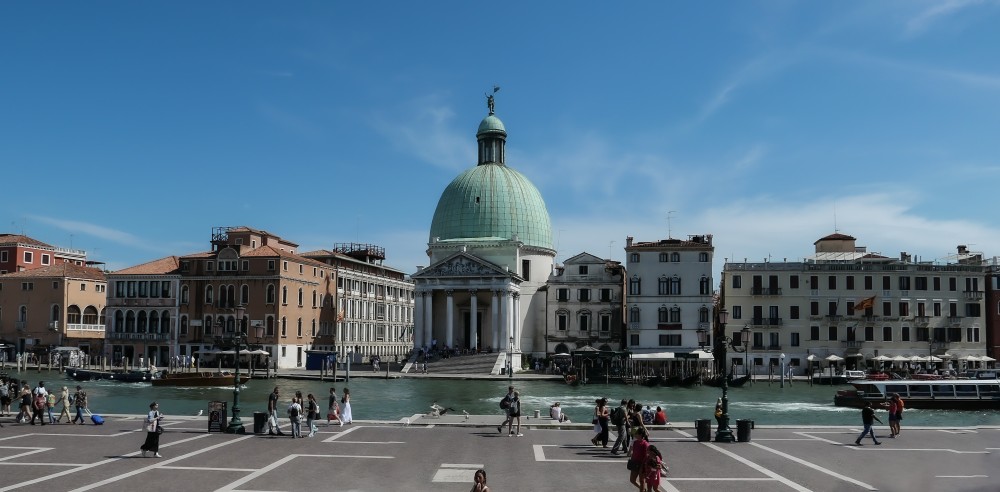
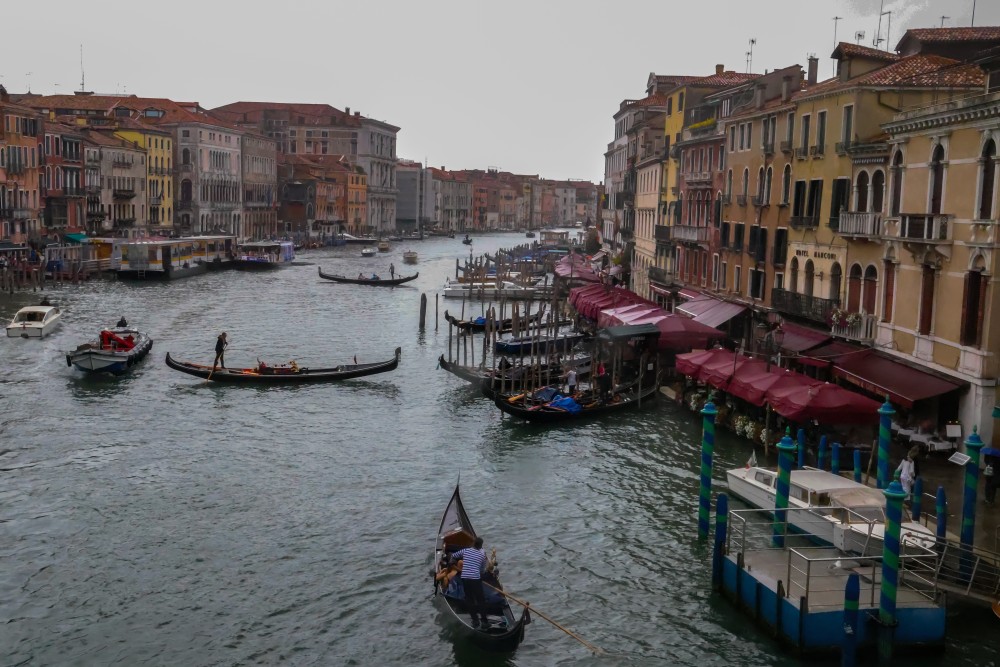
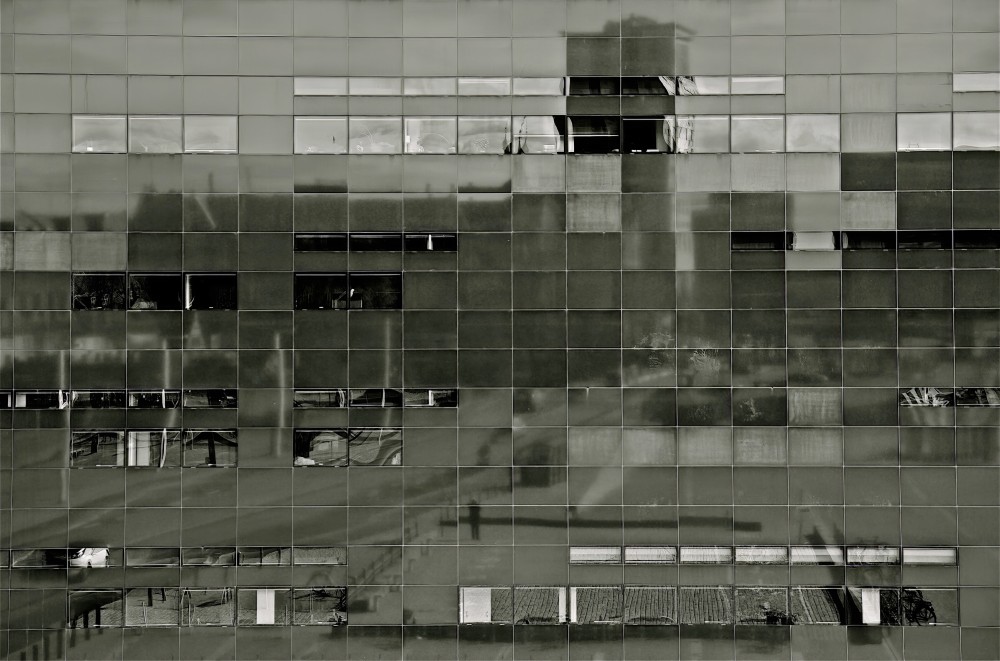
In color, subtle tonal shifts open new layers of perception; in black-and-white, the reduction reveals structure and essence. Together, they form a visual language that moves between clarity and ambiguity.
Central to Stenbeck’s work is an interest in the tension between presence and distance, between orientation and disorientation. His images often evoke a sense of stillness, where something appears both immediate and unreachable at once. Rather than offering conclusions, they hold space for uncertainty—suggesting that meaning is not fixed, but continuously shaped in the encounter between viewer and image.
Through this approach, Stenbeck’s photography becomes less about representation and more about resonance. It reflects a world that is at once external and internal, where perception itself becomes the subject. The recurring gaze—human or otherwise—creates a subtle dynamic of observation and being observed.
His work invites us to pause, to look again, and to consider how what we see is inseparable from how we experience being.
My Portfolio

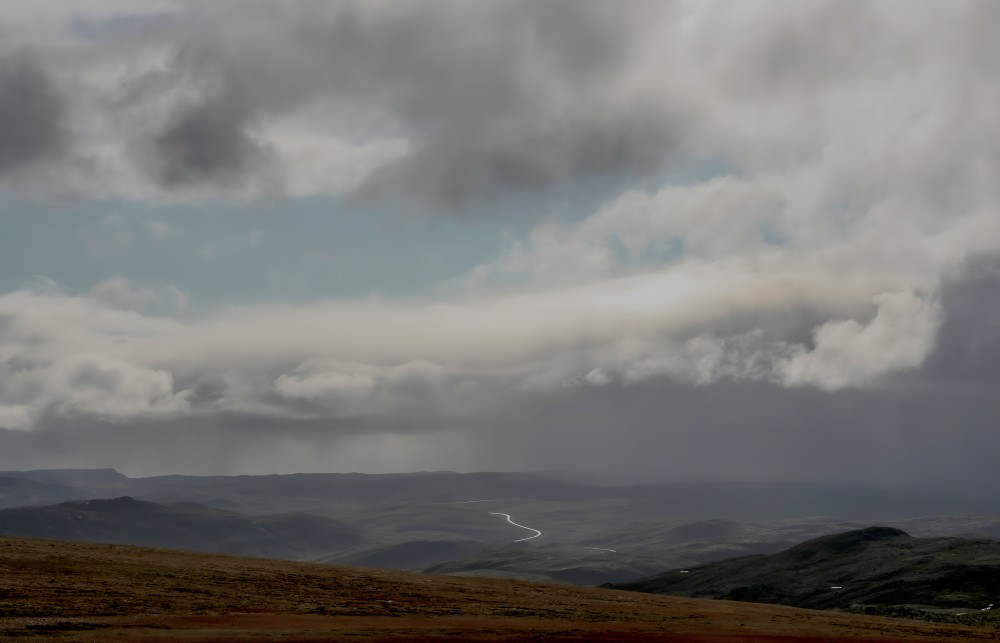
The Long and Winding Road